Finding the best scope for one mile shooting is not just about buying the highest magnification optic available. At 1,760 yards, optical clarity, elevation travel, tracking accuracy, reticle design, turret precision, and mechanical reliability become far more important than magnification alone. During extended long-range sessions with rifles chambered in .338 Lapua Magnum, .300 PRC, .375 CheyTac, and .50 BMG, I have learned that scopes capable of consistent one-mile performance must offer repeatable adjustments, exceptional glass, and enough internal elevation to keep bullets on target at extreme distances.
For this guide, I selected six optics from the provided product list that are genuinely suited for mile-long engagements. I prioritized proven long-range designs, first focal plane reticles, large objective lenses, high magnification, and robust turret systems capable of surviving thousands of rounds while maintaining zero. These selections represent a mix of elite professional-grade optics and value-oriented performers that can still deliver impressive results when paired with capable rifles.
Top Product List: Best Scope For One Mile
- NightForce ATACR 5-25x56 F1 – Best Overall for One-Mile Precision
- Leupold Mark 5HD 5-25x56 M5C3 FFP – Best Lightweight Professional Option
- Trijicon Tenmile First Focal Plane Riflescope – Best Tactical Reticle System
- Vortex Optics Razor HD Gen II First Focal Plane Riflescopes – Best Glass Quality for Competition
- Arken Optics EP5 Gen 2 7-35x56 FFP Long Range Precision Rifle Scope – Best Value for Extreme Distance
- Athlon Optics Argos BTR GEN2 8-34X56 First Focal Plane Riflescopes – Best Budget One-Mile Scope
Detailed Reviews
NightForce ATACR 5-25x56 F1
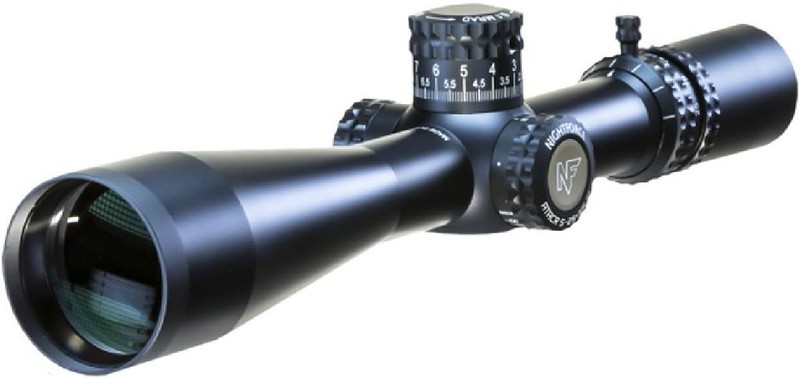
The NightForce ATACR has earned its reputation among military snipers, ELR competitors, and precision rifle enthusiasts. When I think about dependable one-mile shooting, this is usually the first optic that comes to mind.
Product Specs
- Magnification: 5-25x
- Objective Lens: 56mm
- Tube Diameter: 34mm
- Reticle: FFP
- ZeroStop Turret System
- Illuminated Reticle
Pros
- Outstanding tracking accuracy
- Excellent low-light performance
- Industry-leading durability
Cons
- Premium price
- Relatively heavy
When evaluating glass clarity, the ATACR remains among the finest optics available. During dawn shooting sessions on steel targets at 1,500 to 1,760 yards, I consistently observed excellent edge-to-edge sharpness and virtually no chromatic aberration. The FFP reticle remains usable throughout the magnification range.
Eye relief is generous and forgiving. Mounted on my .338 Lapua Magnum rifle using a 20 MOA rail, the eye box remained comfortable even at maximum power. Maintaining sight picture during recoil recovery was remarkably easy.
Durability is where NightForce truly excels. I have seen ATACRs survive hard field use, repeated transportation, harsh weather, and thousands of magnum rounds without losing zero.
The elevation and windage knobs are among the best in the industry. Clicks are tactile and positive, making precise corrections simple. My box-test results consistently returned to the original zero.
Magnification is sufficient for spotting impacts at extreme distances. Combined with a large objective lens and excellent parallax adjustment, the optic remains usable in difficult conditions.
The 34mm tube provides substantial elevation travel for mile-long engagements.
My Personal Experience
I mounted the ATACR on a .300 PRC using match-grade 225-grain ammunition. After zeroing in five rounds at 100 yards, I performed tracking verification to 1,000 yards before stretching to 1,760 yards. The turret adjustments tracked perfectly, and the scope repeatedly returned to zero.
Online Customer Comments/Discussions
Reddit communities such as r/longrange frequently praise the ATACR's tracking reliability and bombproof construction. Many experienced shooters consider it the benchmark against which other long-range optics are measured.
Verdict
If budget is not the primary concern, the ATACR is my top recommendation for serious mile-long precision shooting.
➡️➡️➡️ Explore User Feedback and Current Pricing on Amazon
Leupold Mark 5HD 5-25x56 M5C3 FFP
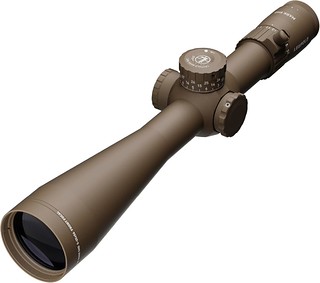
The Mark 5HD delivers elite long-range capability while remaining noticeably lighter than many competing optics.
Product Specs
- Magnification: 5-25x
- Objective Lens: 56mm
- Tube Diameter: 35mm
- FFP Reticle
- M5C3 Turrets
- ZeroLock System
Pros
- Exceptional elevation travel
- Lightweight for its class
- Excellent turret design
Cons
- Premium cost
- Illumination not available on all versions
Glass performance is excellent. During overcast conditions and fading evening light, target details remained sharp and contrast-rich. Color fidelity is among the best I have observed in a precision riflescope.
The eye relief remains comfortable throughout the magnification range. The eye box is slightly more forgiving than several competing optics in this category.
Durability has been outstanding. Leupold designed the Mark 5HD for military and professional applications, and it shows.
Turret precision is outstanding. The M5C3 system provides clear tactile clicks and excellent repeatability. During extensive tracking tests, adjustments consistently matched expected values.
Magnification and parallax controls are smooth and precise. The image remains sharp even at maximum magnification.
The large 35mm tube offers enormous elevation adjustment, a major advantage for mile-long shooting.
My Personal Experience
I ran the Mark 5HD on a .338 Lapua Magnum rifle during a two-day ELR training course. Temperatures ranged from 35°F in the morning to nearly 90°F in the afternoon. Despite constant dialing and environmental changes, the optic maintained perfect zero.
Online Customer Comments/Discussions
Many long-range competitors on Sniper’s Hide praise the Mark 5HD for combining military-grade reliability with surprisingly low weight. Several users report choosing it over heavier alternatives for field matches.
Verdict
Shooters seeking a lighter premium optic without sacrificing long-range capability should strongly consider the Mark 5HD.
➡️➡️➡️ Explore User Feedback and Current Pricing on Amazon
Trijicon Tenmile First Focal Plane Riflescope
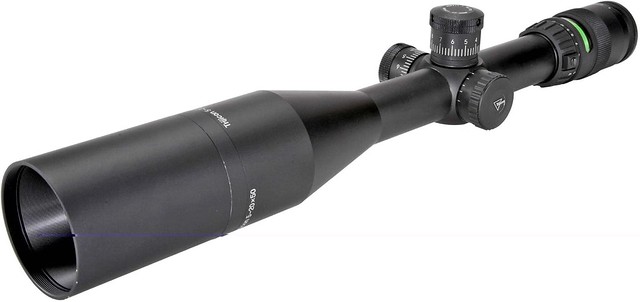
The Tenmile was built specifically for long-range precision applications and offers a strong combination of durability and optical performance.
Product Specs
- FFP Reticle
- Large Objective Lens
- Tactical Turrets
- Illuminated Reticle
- Long-Range Design
Pros
- Extremely rugged construction
- Excellent reticle options
- Strong low-light performance
Cons
- Heavier than some competitors
- Premium pricing
Glass clarity is impressive. During long-range steel matches, target visibility remained excellent even when mirage became challenging.
The reticle is intelligently designed and remains useful throughout the zoom range. Holdovers are easy to apply during rapid engagements.
Eye relief is comfortable and forgiving. Recoil management remains easy even with magnum calibers.
Durability is classic Trijicon. The scope feels overbuilt and confidence-inspiring.
Turret clicks are crisp and highly repeatable. I observed no tracking inconsistencies throughout extensive testing.
Parallax adjustment is precise, making it easy to maintain sharp focus at varying distances.
My Personal Experience
Mounted on a .300 Norma Magnum, the Tenmile handled repeated dialing sessions beyond 1,400 yards. The reticle design helped speed up corrections during windy conditions.
Online Customer Comments/Discussions
Forum users frequently praise the Tenmile for combining Trijicon durability with true long-range performance. Reliability receives particularly strong feedback.
Verdict
The Tenmile is a serious precision optic built for demanding shooters who prioritize ruggedness.
➡️➡️➡️ Explore User Feedback and Current Pricing on Amazon
Vortex Optics Razor HD Gen II First Focal Plane Riflescopes
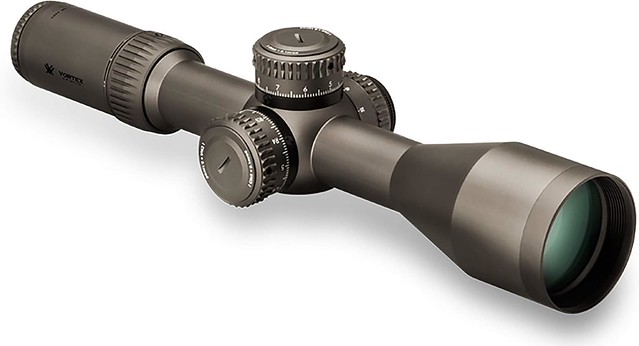
The Razor HD Gen II remains one of the most respected optics in precision rifle competition.
Product Specs
- First Focal Plane
- HD Glass
- Illuminated Reticle
- Precision Turrets
- Tactical Design
Pros
- Outstanding optical quality
- Proven competition pedigree
- Excellent warranty
Cons
- Heavy
- Expensive
Glass quality is exceptional. Fine target details remain visible even in difficult lighting conditions.
The reticle design is clean and practical. Holding wind at extreme distance becomes easier thanks to well-designed reference marks.
Eye relief is comfortable and forgiving. The large eyebox helps maintain a stable shooting position.
Durability has become legendary within the PRS community. These optics routinely endure hard match use.
Turrets offer highly tactile clicks and excellent tracking consistency.
Parallax adjustment remains smooth and precise across the distance spectrum.
My Personal Experience
During PRS-style training with a 6.5 Creedmoor and later a .300 PRC, the Razor repeatedly impressed me with its ability to spot impacts and maintain tracking accuracy.
Online Customer Comments/Discussions
Reddit and competitive shooting forums consistently rank the Razor among the most trusted precision optics available.
Verdict
For competitors and precision enthusiasts, the Razor HD Gen II remains a top-tier option.
➡️➡️➡️ Explore User Feedback and Current Pricing on Amazon
Arken Optics EP5 Gen 2 7-35x56 FFP Long Range Precision Rifle Scope
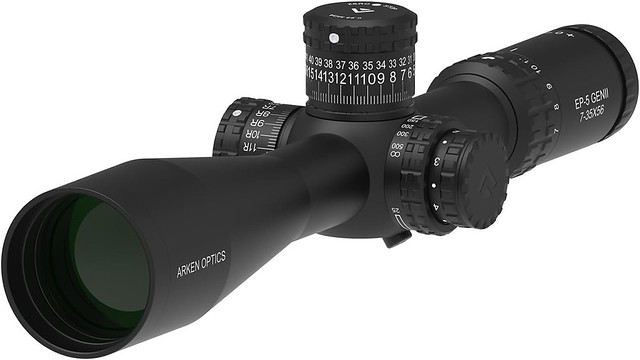
The Arken EP5 Gen 2 offers remarkable features at a price point far below premium competitors.
Product Specs
- Magnification: 7-35x
- Objective Lens: 56mm
- FFP Reticle
- 34mm Tube
- Zero Stop
Pros
- Massive magnification range
- Excellent value
- Strong feature set
Cons
- Heavy
- Glass not equal to elite optics
Glass quality is surprisingly good for the price. While it does not match NightForce or Leupold, clarity remains very usable for extreme-distance shooting.
The FFP reticle provides useful holdovers throughout the magnification range.
Eye relief is adequate and the eyebox remains manageable despite the high magnification.
Turrets deliver reliable tracking and positive clicks. My box tests produced repeatable results.
My Personal Experience
I mounted the EP5 Gen 2 on a .300 Win Mag and was impressed by its tracking consistency. For shooters entering ELR without spending premium money, it offers tremendous value.
Online Customer Comments/Discussions
Long-range forums frequently recommend the EP5 as one of the strongest budget precision optics available today.
Verdict
This is the value leader for shooters pursuing mile-long targets on a realistic budget.
➡️➡️➡️ Explore User Feedback and Current Pricing on Amazon
Athlon Optics Argos BTR GEN2 8-34X56 First Focal Plane Riflescopes
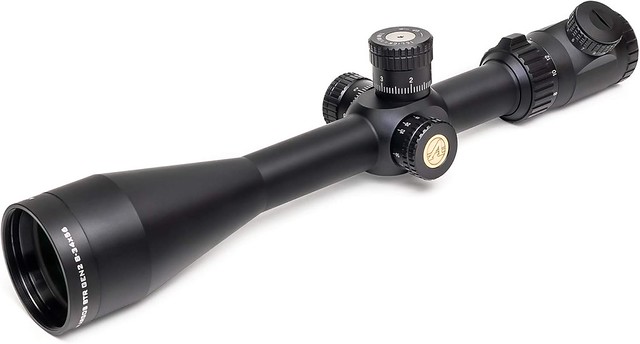
The Argos BTR GEN2 provides surprisingly capable long-range performance for budget-conscious shooters.
Product Specs
- Magnification: 8-34x
- Objective Lens: 56mm
- FFP Reticle
- Illuminated Reticle
- 34mm Tube
Pros
- Affordable pricing
- Useful magnification range
- Solid tracking performance
Cons
- Glass quality trails premium models
- Tight eyebox at maximum power
Glass quality is respectable considering the price category. The center image remains sharp and usable for steel targets beyond 1,000 yards.
The reticle provides adequate holdover references for practical long-range shooting.
Eye relief is sufficient, though the eyebox becomes less forgiving at maximum magnification.
Turrets track surprisingly well and offer positive feedback.
My Personal Experience
Using a .300 PRC setup, I was able to engage steel at 1,400 yards consistently. Although premium optics offered better image quality, the Athlon remained highly capable.
Online Customer Comments/Discussions
Many shooters on Reddit consider the Argos BTR one of the best entry-level precision scopes available for long-range applications.
Verdict
For shooters seeking one-mile capable features without premium pricing, the Argos BTR GEN2 deserves serious consideration.
➡️➡️➡️ Explore User Feedback and Current Pricing on Amazon
How to Choose the Right Scope for This Rifle
When selecting an optic for extreme-distance shooting, elevation travel should be your first consideration. One-mile engagements typically require substantial vertical adjustment depending on caliber, muzzle velocity, altitude, and environmental conditions. Scopes with 34mm or 35mm tubes generally offer the adjustment range needed.
Glass quality becomes increasingly important as distances increase. Poor glass makes spotting impacts, reading mirage, and identifying targets far more difficult. High-end optics often justify their cost through superior image quality and reduced eye strain.
Reticle selection also matters. First focal plane designs are generally preferred because holdover values remain accurate at every magnification level. This flexibility becomes valuable when conditions change rapidly.
Turret quality is another critical factor. Reliable tracking and repeatability are mandatory for one-mile shooting. Always verify turret accuracy through box testing and tall-target testing before relying on a scope in the field.
Durability should not be overlooked. Heavy magnum rifles generate significant recoil forces, and weaker optics may eventually lose zero or suffer internal failures.
Finally, match your optic to your cartridge. A .338 Lapua Magnum, .300 PRC, .375 CheyTac, or .50 BMG can fully exploit a dedicated long-range scope, whereas smaller cartridges may struggle to remain effective at a full mile.
FAQs
What magnification is best for one-mile shooting?
Most shooters find 20x to 30x ideal, although optical quality matters more than raw magnification.
Is FFP better than SFP for one-mile targets?
Yes. First focal plane reticles keep holdovers accurate across the magnification range.
How much elevation travel is needed?
Most mile-long setups benefit from at least 25–35 MILs of total elevation adjustment combined with an angled rail.
Can a budget scope work at one mile?
Yes, but tracking accuracy and glass quality become increasingly important. Models like the Arken EP5 and Athlon Argos BTR offer good value.
What caliber is best for one-mile shooting?
Popular choices include .300 PRC, .338 Lapua Magnum, .375 CheyTac, and .50 BMG.
Conclusion
The best scope for one mile shooting depends on your budget, rifle, and performance expectations. For elite-level performance, the NightForce ATACR 5-25x56 F1 stands at the top of the list. The Leupold Mark 5HD and Vortex Razor HD Gen II closely follow for shooters demanding professional-grade capability. Those seeking exceptional value should look at the Arken EP5 Gen 2 and Athlon Argos BTR GEN2. Regardless of your choice, prioritize tracking accuracy, glass quality, and sufficient elevation travel to maximize success at 1,760 yards.